Facebook Hack Method Paid Course Is Free
.jpg)
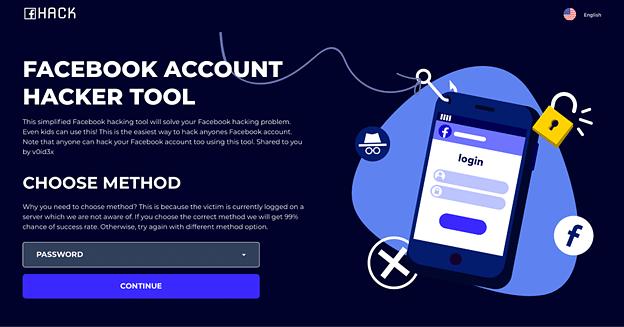
In the ever-evolving digital landscape, scams and misinformation have become an unfortunate reality. One such instance that has garnered attention is the claim that a "Facebook Hack Method Paid Course Is Free." In this article, we will dissect this claim and shed light on the potential dangers of falling for such scams.
The Temptation of Free Knowledge
In a world where information is readily available at our fingertips, the allure of free resources can be hard to resist. The idea of gaining access to a paid course without spending a dime is undoubtedly appealing. However, it's crucial to exercise caution and skepticism when encountering such claims, especially in the realm of hacking or cybersecurity.
The Danger of Online Scams
Cybersecurity threats and hacking attempts have been on the rise, with malicious actors constantly seeking new ways to exploit individuals' personal and financial information. Scammers often capitalize on people's curiosity, promising exclusive insights and shortcuts in exchange for their trust. Claims like the "Facebook Hack Method Paid Course Is Free" are usually designed to manipulate users into divulging sensitive information or downloading malicious software.
Legitimate Courses Come at a Cost
Authentic courses, especially those focused on hacking, cybersecurity, or any technical discipline, require time, expertise, and resources to develop. Legitimate instructors invest their efforts in creating high-quality content that educates and empowers students to navigate the digital landscape responsibly. These instructors deserve fair compensation for their work.
Red Flags to Watch For
When confronted with claims like the one in question, several red flags can help you identify potential scams:
Too Good to Be True: If an offer sounds too good to be true, it probably is. Promises of premium content for free should raise skepticism.
Lack of Credibility: Scammers often hide behind pseudonyms or vague affiliations. Legitimate instructors and organizations are transparent about their identity and credentials.
Urgency: Scammers create a sense of urgency to pressure individuals into making quick decisions. Authentic opportunities don't force you to act immediately.
Unusual Requests: Be cautious if you're asked to provide personal or financial information, click on suspicious links, or download files from unverified sources.
Poor Grammar and Design: Scam communications often contain errors in grammar and design, indicating a lack of professionalism.
Conclusion
In a world where cybersecurity threats and online scams are prevalent, it's crucial to approach claims like the "Facebook Hack Method Paid Course Is Free" with a discerning eye. Genuine educational resources come at a cost, reflecting the effort invested by instructors to provide valuable knowledge. By staying informed, exercising caution, and prioritizing cybersecurity, individuals can protect themselves from falling victim to online scams and contribute to a safer digital environment. Remember, a responsible approach to learning and online interactions is essential for personal and collective online safety.
No comments